
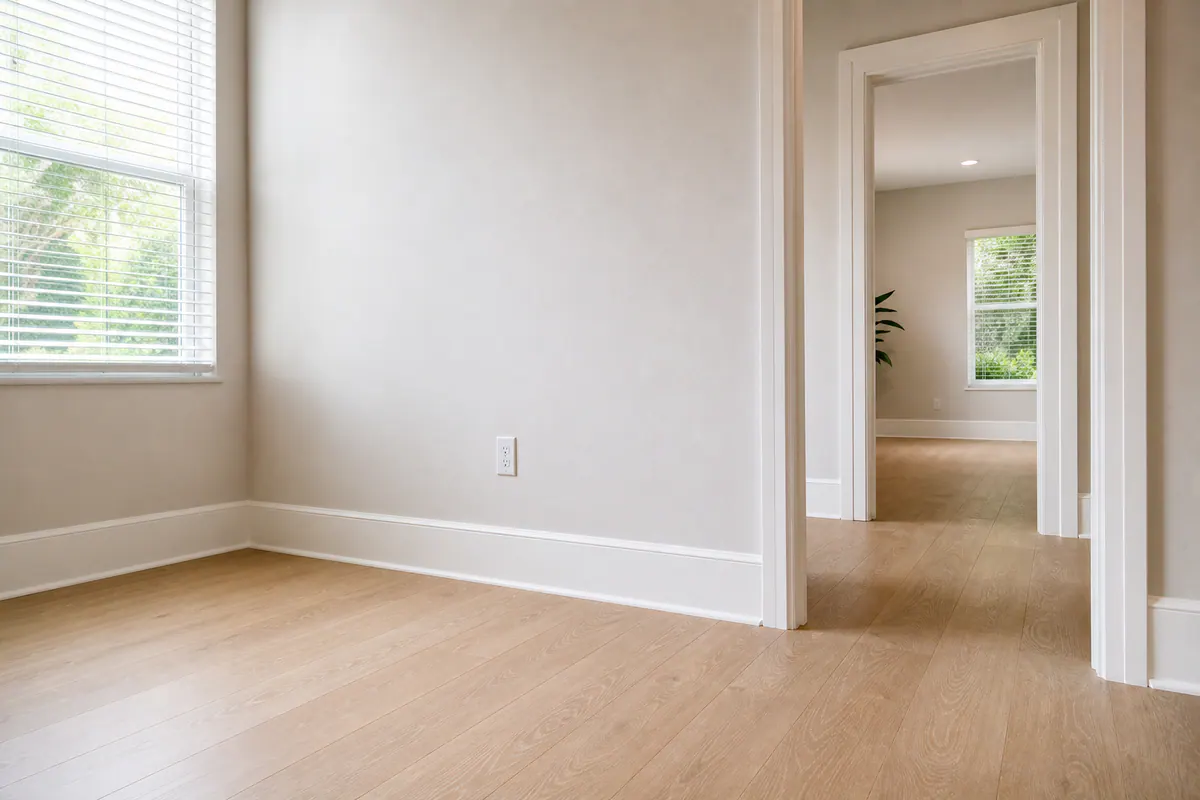
Interior trim is a small detail with a large visual role: clean lines around floors, doors, and windows help a room feel finished, while chipped paint, open caulk lines, and mismatched pieces draw the eye. For homeowners seeking trim repair in Nokomis, FL, targeted work can refresh an existing interior without turning it into a broad remodeling project.
Baseboards, door and window casing, shoe molding, and crown molding each frame a different transition in the room. A localized dent, nail hole, paint wear, or narrow gap may be a good candidate for repair when the surrounding piece remains sound and the finish can blend in. The practical goal is not simply to fill damage, but to leave the repaired area visually cohesive with the neighboring trim, paint, and caulk lines.
Replacement becomes the more sensible route when trim is swollen or deteriorated from moisture, structurally unsound, extensively cracked, warped, missing in sections, or impossible to match in profile. Profile matching means comparing the shape, height, thickness, material, and edge details of new trim against what is already installed. When that match cannot be made convincingly, a larger replacement area may create the cleaner result.
A focused assessment should also separate cosmetic damage from an active moisture or substrate concern. That condition-based approach helps Nokomis homeowners choose repairs that look intentional and replacements that hold up as part of the room's finish.
When Trim Repair Makes Sense, and When Replacement Is the Better Choice
The best choice often comes down to whether the problem is limited to the finish or has affected the trim itself. A few nail holes in otherwise solid door casing, a shallow dent in a baseboard, worn paint along a shoe molding edge, or a small crack at a joint can usually be repaired without disturbing the rest of the room.
Repair keeps the original run of trim in place and focuses work on the damaged spot. Filling, smoothing, re-securing a loose edge, and blending paint can make sense when the surrounding material is firm, straight, and consistent. Separated caulk lines and narrow joint gaps also may be repairable, but the reason for the opening matters: a stable, isolated seam is different from a gap that keeps returning because the material is moving or moisture is affecting the area.
Replacement is the stronger long-term option when the trim has lost its integrity. Swollen MDF, soft or deteriorated wood, repeated moisture-related damage, broken edges, missing lengths, or broad cracking cannot always be solved with a surface patch. In those cases, replacing the affected section removes failed material rather than covering it.
Appearance is part of the decision, too. A repair may be technically possible but still look uneven if the profile, grain, paint sheen, or edge detail cannot blend with adjacent molding. For trim replacement in Nokomis, FL, it can be more practical to replace one continuous baseboard wall or a complete casing side than to leave a highly visible patched segment. The goal is a repair or replacement that looks intentional, not merely hidden from a distance.
Targeted Repair for Baseboards, Casing, and Decorative Molding
A clean repair depends on treating the visible flaw and the connection behind it as separate details. Baseboards often show scuffs from furniture, vacuum marks, shallow dents, chipped corners, nail holes, or a small damaged edge near a doorway. Door and window casing can develop open miter seams, loose legs, paint chips, and cracks where the casing meets the wall. Shoe molding, quarter round, and crown molding may also have isolated gaps or small impact damage that interrupts an otherwise consistent line.
For painted wood trim that remains firm and dry, targeted work can focus on securing a loose section, filling a small void, refining the repaired edge, restoring the caulk line, and blending the painted finish into the adjacent surface. The important visual test is continuity: the repaired area should follow the same edge, reveal, and paint sheen as the surrounding run rather than read as a raised patch or a thick bead of caulk. This is the kind of detail that makes baseboard repair in Nokomis, FL feel like a refresh instead of a temporary touch-up.
Stable MDF calls for a more selective assessment. A minor chip or nail hole in an otherwise hard, straight piece may be a reasonable candidate for filling and repainting. MDF that has softened, puffed at an edge, or changed shape is a different condition; a smooth surface coating cannot restore a crisp profile or dependable edge. The same distinction applies to damaged door casing and window trim: a small finish flaw may blend well, while material movement or a recurring opening calls for a closer look at what is driving it.
Caulk is the finishing line between trim and wall, not a cure for a section that is still shifting. Before recaulking a separated seam, the affected molding should sit securely and the surrounding wall and trim should appear stable. For door casing repair in Nokomis or a small window-trim repair, that attention to fastening, fill work, sanding, and paint integration helps the finished area disappear into the room rather than simply cover the damage.
When Replacing Interior Trim Creates a Better Long-Term Result
Material failure is the clearest reason to move beyond patching. MDF baseboards or casing that have swollen at the bottom edge, crumbled, gone soft, or lost their square profile will not regain a crisp, durable shape with filler and paint. Likewise, a warped run that no longer sits flat against the wall, trim with deep or spreading cracks, and broken or missing pieces can leave an otherwise refreshed room looking unfinished. If water exposure is ongoing, the cause needs attention before new trim is installed; replacing the visible piece alone will not resolve recurring damage.
Replacement can also make more sense where several previous fixes have created an inconsistent result. For example, a wall with multiple patched baseboard segments, uneven seams, different paint textures, or mismatched molding heights may look more cohesive with one continuous new run. The same principle applies to a doorway or window opening whose casing has been pieced together from incompatible profiles. Baseboard replacement in Nokomis does not have to mean removing every baseboard in the house, it can mean replacing the affected wall so its line, joints, and finish read as one intentional detail.
Scope should follow the condition and the visual transition. A failed section near a patio door may call for replacement along that opening; damage on one wall may warrant a full wall; widespread deterioration or an interior update may justify a room-by-room approach. Interior molding replacement is also a practical choice when dated, narrow, or heavily damaged trim is being refreshed alongside new paint. The goal is to retain sound neighboring trim where a close profile, thickness, material, and paint finish can blend convincingly, while replacing enough of the affected area to avoid a visibly pieced-in result. Whole-home trim replacement is an option, not an automatic requirement.
Matching Existing Trim Profiles, Materials, and Paint Finishes
A replacement piece can be sound and neatly installed yet still stand out if its shape is wrong. Profile matching compares the face detail, such as a rounded edge, stepped groove, or square top, as well as the trim's height, thickness, and how far it projects from the wall. Those measurements affect the shadow line beside a floor or door opening. A narrow, flat stock baseboard placed beside a taller molded run, for example, can make even a small repair look like an add-on.
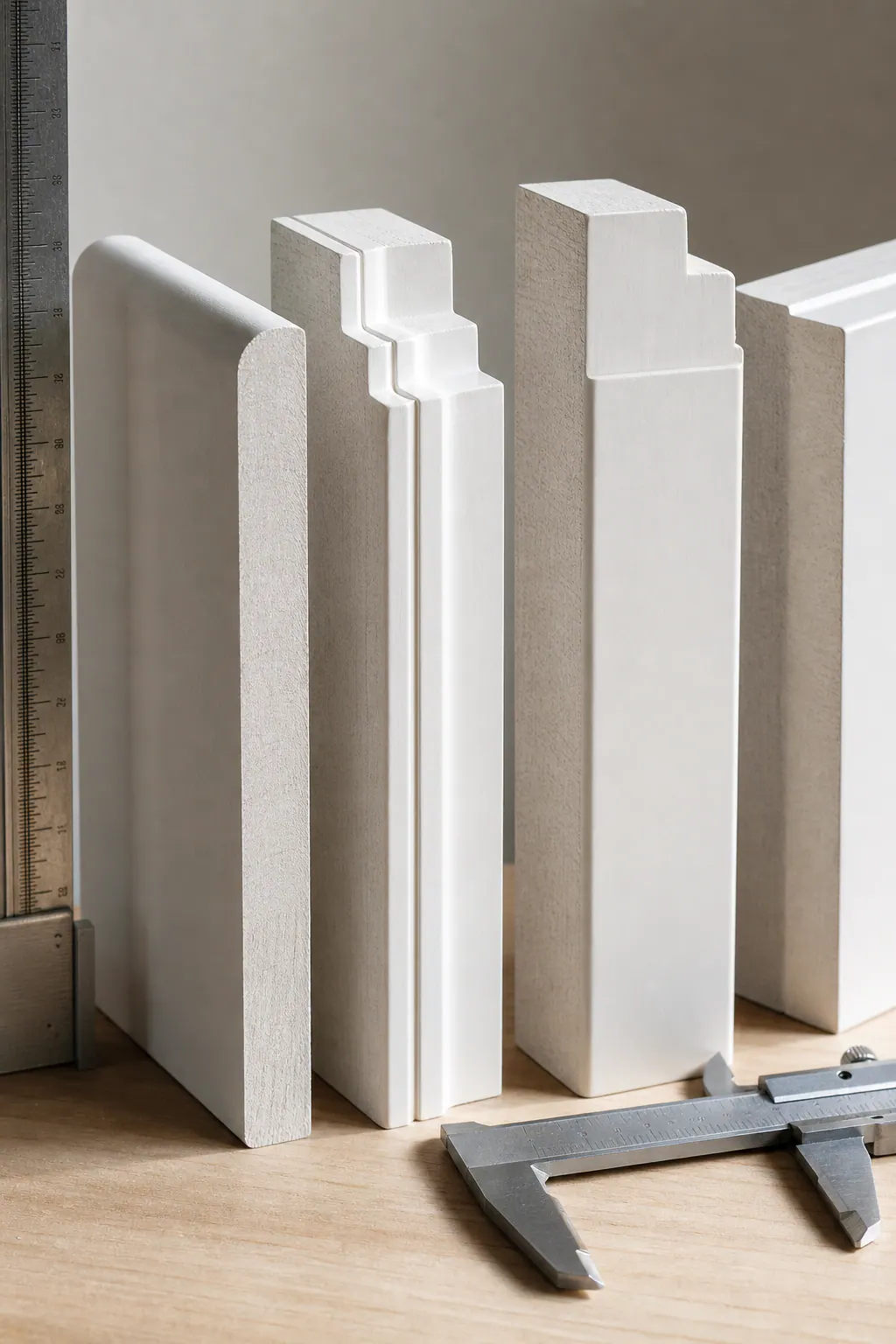
Material affects that visual blend, too. Painted wood can carry crisp routed detail and may show grain or small variations beneath paint; MDF is typically smooth and uniform when its edges remain intact; PVC has a different surface character and is often most convincing where its profile and finish are coordinated with the surrounding trim. Joint placement matters as much as the new piece itself. Ending a replacement at a doorway, an inside corner, or another natural break is usually less noticeable than inserting a short patch in the middle of an uninterrupted wall.
Paint is the final unifying layer. A close color can still look mismatched when the repaired section has a different sheen: glossier paint catches more light, while flatter paint reads softer. Nearby trim may also have aged, yellowed slightly, or collected wear that a newly painted piece does not share. For trim profile matching in Nokomis, the practical choices may include locating a close match, selecting a compatible stock profile, replacing a balanced wall or opening, or blending adjoining sections so the transition appears intentional. In older homes, an exact legacy profile is not always realistic; the better result is the option that preserves consistent lines, joints, and finish across what the eye sees together.
What a Professional Trim Assessment Should Address
A useful visit starts by looking beyond the most obvious chip or gap. The affected baseboards, casing, or molding should be reviewed alongside the adjoining runs, wall surface, flooring edge, and joints. This shows whether the concern is isolated or part of a broader pattern, and whether a small repair will blend into the lines already visible in the room.
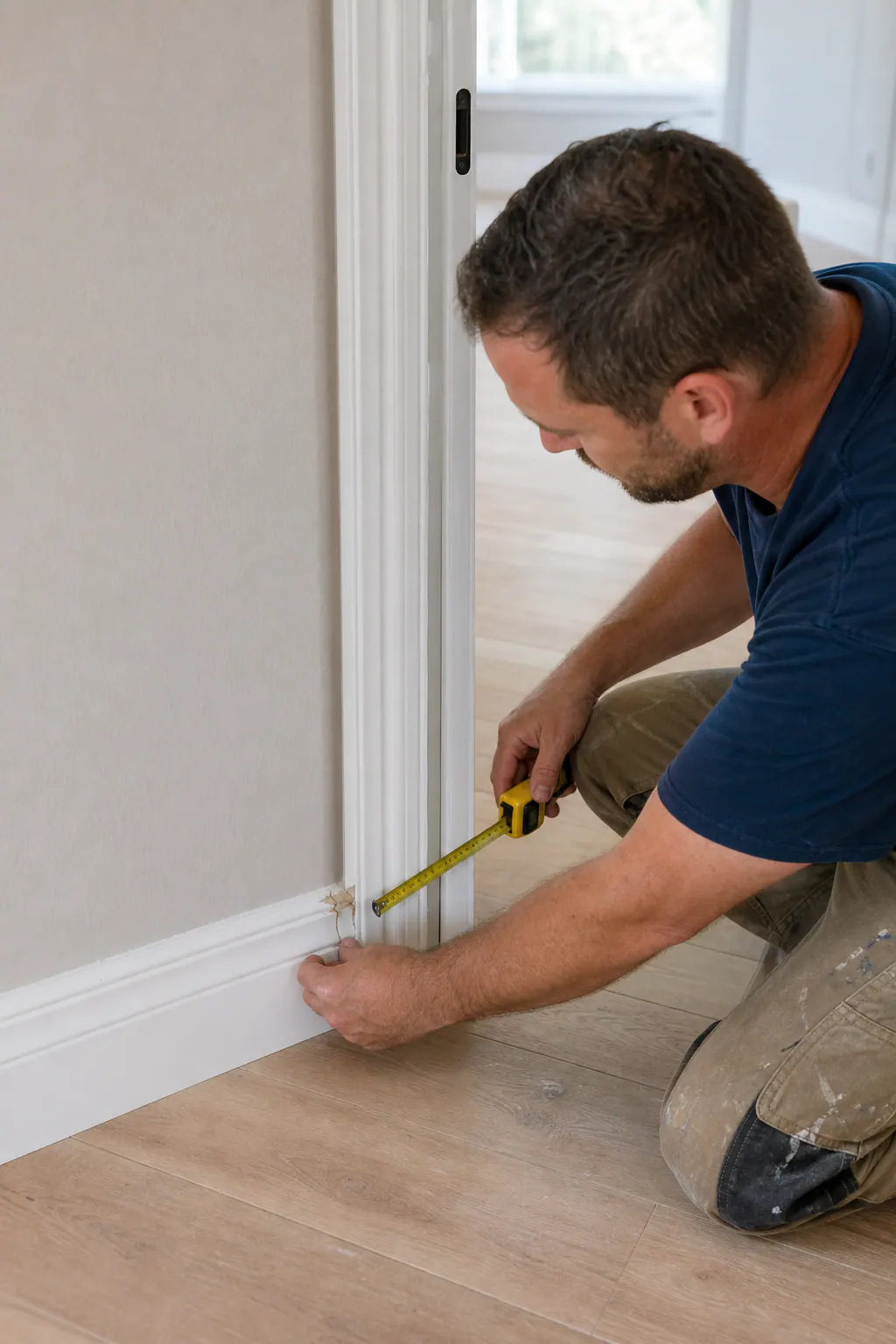
Moisture deserves particular attention. Staining, softness, swelling, crumbling edges, or repeated separation near a window, exterior door, bathroom, or plumbing wall can point to past or current water exposure. An active leak or moisture source needs to be corrected before damaged trim is restored or new pieces are installed; otherwise, a clean-looking finish may fail again.
A Nokomis trim contractor should also identify the existing material and compare the profile, dimensions, paint sheen, and condition of neighboring pieces. That review supports a clear scope: retain and restore a sound section, replace a localized piece at a natural break, or extend replacement where a patch would remain too noticeable.
The work itself should include protecting nearby floors and surfaces, removing failed material where needed, securing or installing trim, preparing repair areas for a smooth transition, and addressing caulk only after the pieces are stable. Final paint and caulk detailing integrate the repaired area with the wall and adjacent trim rather than leaving a temporary cosmetic patch. Cleanup should leave the space ready for the room's next step.
Refresh Worn or Damaged Interior Trim in Nokomis
If worn trim is making an otherwise well-kept room feel unfinished, it is time to define a scope that fits the condition rather than automatically replacing everything. A small damaged spot in a firm baseboard or door casing may be suited to a localized repair; a swollen, broken, or visibly mismatched piece may call for replacing that section; and repeated issues across several walls can be the right moment for a coordinated trim update.
For Nokomis homeowners, an assessment can sort out what is behind separated caulk, water-affected trim, uneven joints, or a profile that no longer blends with the rest of the room. It should weigh the soundness of the existing material, the extent of any moisture damage, the appearance of adjacent molding, and whether a repaired area can integrate cleanly with the surrounding finish. That gives you a practical plan for trim repair in Nokomis, FL, not an unnecessarily broad renovation.
When the work also involves refreshing walls, doors, or all of the room's painted details, interior painting can bring the repaired or replaced trim into a more cohesive finish. Request an interior trim assessment for damaged baseboards, worn casing, open caulk lines, or outdated molding, and choose the repair or replacement scope that makes the room feel complete again.
Plan the next step
Compare the broader Trim Repair and Replacement service.
Review the Nokomis, FL service area for local planning context.
When you are ready, request a free estimate with the rooms, trim goals, city, and available photos.
FAQs
Can damaged baseboards be repaired instead of replaced in Nokomis, FL?
Yes, solid and dry baseboards with shallow dents, scuffs, nail holes, chipped paint, or small gaps can usually be repaired. The repair should include securing loose areas, filling and sanding damage, restoring caulk lines, and matching the adjacent paint sheen.
Can you repair cracked or separated caulk around interior trim?
Yes, a stable isolated caulk seam can be repaired after the trim is securely fastened and the wall and molding are not moving. Repeatedly opening caulk lines may indicate moisture or material movement, which must be addressed before recaulking.
How do you match existing trim profiles in an older home?
Match the trim’s face detail, height, thickness, wall projection, material, and paint sheen. If an exact legacy profile is unavailable, use a compatible profile and replace a balanced wall or opening so the joints and shadow lines look intentional.
When should water-damaged trim be replaced?
Replace trim that is swollen, soft, crumbling, warped, extensively cracked, or has lost its crisp profile, especially MDF with puffed bottom edges. Any active leak or moisture source near windows, exterior doors, bathrooms, or plumbing walls must be corrected before replacement.
Do I need to replace all of the baseboards if only one section is damaged?
No, replacement can be limited to the damaged section, one continuous wall, or a doorway area when the new trim matches the neighboring profile, thickness, material, and paint finish. Replacing a full wall is often the better choice when a short patch would create visible mismatched seams, heights, or paint textures.