

A Coordinated Whole-Home Trim Upgrade for North Port Homes
A coordinated trim update treats the rooms, hallways, doors, and windows as parts of one interior rather than a series of separate repairs. For North Port homeowners, that can mean replacing short builder-grade baseboards, aligning mismatched door casing, refreshing worn paint, and carrying one intentional profile from shared living areas into bedrooms and hallways.
Baseboards finish the joint where wall meets floor; casing frames door and window openings; crown molding, an optional detail at the wall-to-ceiling line, adds a more defined transition in spaces where that look suits the room. When their proportions and paint finish relate to one another, the eye moves more smoothly between openings and rooms instead of stopping at every change in style.
A whole home trim North Port FL package is especially useful after flooring work, when new floors expose gaps or leave older baseboards looking undersized. It also creates a practical path forward for homes with patched corners, isolated replacement pieces, yellowing paint, or one casing style at the front entry and another down the hall.
The goal is not to make every detail ornate. A simple, clean-lined baseboard and casing combination can create a consistent finish just as effectively as a package that adds crown in selected common areas. The right scope begins with the home's existing openings, wall condition, flooring edges, and the finished look you want to carry throughout.
What Can Be Included in a Whole-House Trim Package
A useful scope starts with a room-by-room checklist, not a single line item for "new trim." Full home baseboard installation in North Port can cover the main runs along wall-and-floor edges, then account for the short return pieces at openings, closets, cabinets, and changes in floor height. Where a finished floor leaves a narrow edge gap, shoe molding or quarter round can be added at the baseboard: both are small finishing strips, though shoe molding has a taller, more vertical face while quarter round is evenly curved.
Door and window work belongs in the same conversation. The package may include new casing at every opening, selective casing where styles differ, or adjustments that bring trim cleanly to an existing door jamb. Those adjustments matter because a jamb that sits proud of the wall, recessed from it, or has uneven surrounding drywall can affect how the casing lands. The intended result is a deliberate edge around the opening rather than a forced fit or a conspicuous gap.
Finishing work ties the installed pieces together. Caulk softens small seams where trim meets the wall, filler addresses nail holes and minor surface imperfections, and paint preparation readies the trim for a consistent final coat. These steps are distinct from correcting major wall damage or changing the floor itself, but they make a significant difference in whether the new work reads as one finished installation.
Crown molding can be included in living rooms, dining areas, or a primary suite, while bedrooms, baths, and lower-ceiling spaces may intentionally remain crown-free. It is a design choice, not a requirement for trim packages in North Port, FL. The final package can vary room by room, baseboards throughout, casing at selected openings, crown in focal spaces, while retaining a shared profile, scale, and paint approach across the home.
Choosing Trim Profiles, Materials, and Paint Finishes
Profile scale is often the first choice that makes the package feel intentional. In a compact room or one with lower ceilings, a straightforward baseboard and clean, flat casing keep the edges defined without making the walls feel busy. Taller ceilings, larger shared spaces, substantial interior doors, or existing traditional details can support a wider casing, a built-up baseboard, or more contoured crown. The goal is visual proportion: trim should relate to the room and door style rather than compete with them.
For painted work, MDF trim offers a smooth, consistent face that suits crisp modern profiles and painted baseboards or casing in dry interior areas. It can be a budget-conscious way to carry one profile through bedrooms, halls, and living spaces, but its edges deserve protection from repeated moisture exposure and hard impacts. Wood trim brings more natural variation and can be shaped, repaired, or selected to complement existing woodwork; it may also be the more considered choice where a stain finish is part of the plan. PVC trim is an option for moisture-prone interior locations such as a laundry room or bath, where the installation conditions call for a material less affected by incidental moisture.
Dent resistance, installation conditions, and the desired paint result all belong in the same material conversation. A busy entry, pet traffic, damp cleaning routines, uneven walls, and the need to match older trim can change which tradeoff feels worthwhile. Reviewing full-length samples beside the flooring, doors, and wall color helps reveal whether a profile reads too slight, too heavy, or just right.
Stain-grade trim is a separate design path, not simply painted trim without paint. Its visible grain, color variation, joints, and filler choices remain part of the finished appearance, so the wood selection and finish sample need more deliberate coordination. For a whole-home refresh, keeping stain-grade work limited to existing wood features, or planning it consistently across the selected rooms, can prevent an accidental mix of undertones and styles.
When to Repair Existing Trim, Replace It, or Blend New and Old
Not every blemish calls for new trim. Targeted repair can be a sensible path when the underlying piece is still sound and the issue is limited: a single dent, a small wall-to-trim gap, a loose length that can be reset, or paint drips and shallow chips that can be filled, sanded, caulked, and repainted. Minor water staining may also be cosmetic once the moisture source has been corrected and the trim itself has not swollen, softened, or come apart.
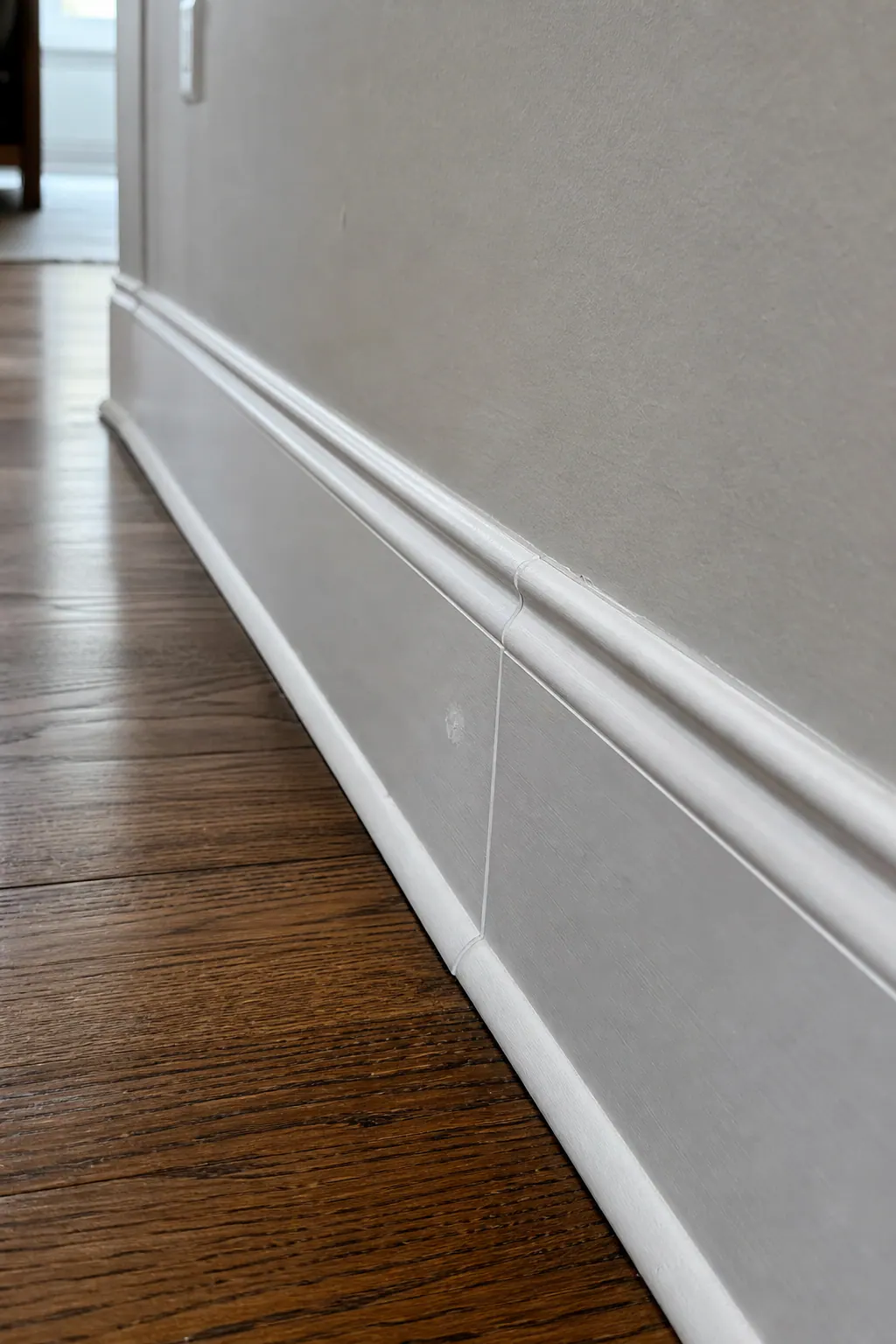
The useful distinction is between finish work and material failure. Caulk can refine a narrow seam, and filler can hide a small impact mark, but neither restores trim that is expanding, crumbling, separating along its face, or repeatedly pulling away from the wall. Open miter joints at corners may be repairable when movement is minor; recurring gaps, warped lengths, or several previous patches usually point to a larger scope.
Replacement becomes the cleaner choice when a profile is discontinued, damage appears in multiple rooms, or old repairs leave inconsistent lines and paint texture. It can also make more visual sense when short baseboards, narrow casing, and newer details elsewhere in the home no longer relate to each other. A whole house trim replacement in North Port is not an automatic answer, it is a way to establish one profile, reveal, and finish level when consistency is the priority.
A blended approach preserves what still contributes to the home's character while updating the areas that need attention. Existing stain-grade doors or well-kept casing might remain, for example, while baseboards are replaced throughout and new pieces are profile-matched in adjoining spaces. Comparing a sample against the original trim, then reviewing transitions at openings and room-to-room sightlines, helps define where a close match will look intentional and where interior trim replacement in North Port, FL will provide the more unified result.
Planning Trim Around Flooring, Doors, Windows, and Existing Details
The measurements that matter are taken at the edges, not just across the room. A full home trim installation in North Port should account for floor-to-wall gaps, changes in finished floor height, bowed walls, built-ins, window returns, and the clearance around each door jamb. New baseboards can often be fitted over existing flooring, but a narrow, even perimeter gap calls for a different finishing decision than a wide or irregular gap.

Baseboard height sets the visual weight at the floor, while its thickness affects how it meets door casing, cabinets, and tight hallway returns. Shoe molding is a slim, more vertical finishing strip set along the baseboard's bottom edge; quarter round has a rounded face. Either can cover a modest, consistent gap at existing flooring without making the baseboard itself oversized. It is less convincing when used to chase large variations, where a taller baseboard, floor correction, or localized wall work may create a cleaner line.
Casing needs its own field review. Its width must leave room beside the jamb and work around nearby walls, switches, built-ins, and window openings. The reveal, the intentionally visible narrow edge of a jamb inside the casing, should remain consistent so doors and windows do not look crowded or off-center. Door slabs, jamb condition, and hinge-side clearances are reviewed before selecting a wider profile.
Sequencing also protects the finished result. Flooring replacement is usually settled before final baseboard fit; interior door or jamb updates should precede new casing; and bathroom remodeling may require trim decisions after tile, vanities, and wall repairs are in place. Painting can be coordinated around installation so patched nail holes, caulked seams, and wall touchups receive one cohesive finish rather than a series of mismatched corrections.
How Whole-Home Trim Installation and Finishing Are Coordinated
A clear installation plan starts with an in-home conversation about the rooms you want updated, the look you are trying to achieve, and which existing pieces will stay. Measurements then cover wall runs, door and window openings, returns, and transition areas before profile, material, and paint-grade trim selections are finalized. This early review turns a whole house trim upgrade in North Port, FL into a defined package rather than a series of assumptions.
The written scope should identify included rooms, baseboards, casing, crown where selected, repair or removal work, and any exclusions. It should also separate installation from finishing responsibilities. Before removal begins where replacement is included, work areas can be protected and furnishings moved or covered as arranged. New pieces are cut and fitted around openings and corners, with attention to straight runs, consistent reveals, tight joints, and clean transitions where trim meets flooring, walls, cabinets, or existing details.
Finishing is what makes the individual pieces read as one installation. Nail holes and minor joint imperfections are filled, seams receive caulking where appropriate, and surfaces are prepared for paint or touch-up. Paint completion may be included in the trim scope, or it may be coordinated with a separate painting phase when wall repairs or broader interior painting are planned. A final walkthrough provides a practical checkpoint for alignment, filled holes, caulk lines, cleanup, and paint readiness or completed finish work. Final scheduling and material availability are confirmed after the site review and selections are complete.
Plan Your North Port Whole-Home Trim Package
Bring a short list of priorities to the in-home visit: the rooms to include, photos or samples of profiles you like, and any flooring, door, window, or painting work planned nearby. Walking each space makes it possible to count wall runs and openings, compare retained casing against proposed baseboards, and see where a new floor height or uneven wall edge will affect the finished fit.
Visible conditions help set the right scope. A single loose baseboard or shallow chip may be a repair-and-paint item, while repeated swollen sections, several patched lengths, or casing profiles that do not match from room to room create a stronger case for replacement. If some trim will remain, the consultation can compare its face shape, height, thickness, paint condition, and the transition points where new and old pieces meet.
Request an assessment for a whole home trim North Port FL package tailored to your home, whether you want a full refresh, coordinated baseboard and casing replacement, or selective work that blends with retained details. After the site review, the estimate can clearly identify included rooms, chosen materials and profiles, repair or removal work, paint preparation or completion, and any related flooring or door coordination.
Plan the next step
Compare the broader Whole-Home Trim Packages service.
Review the North Port, FL service area for local planning context.
When you are ready, request a free estimate with the rooms, trim goals, city, and available photos.
FAQs
What is included in a whole-home trim package in North Port, FL?
A whole-home trim package can include baseboards, door and window casing, and crown molding in selected rooms. It also commonly covers fitting around openings, caulking seams, filling nail holes, paint preparation, and coordination with flooring, doors, and wall conditions.
Can new baseboards be installed without replacing flooring?
Yes, new baseboards can often be installed over existing flooring. Shoe molding or quarter round can cover a modest, consistent floor-to-wall gap, while wide or irregular gaps may require taller baseboards, floor correction, or localized wall work.
Is MDF or wood better for interior trim in a Florida home?
MDF provides a smooth, consistent surface for painted trim in dry interior areas, but it needs protection from repeated moisture and hard impacts. Wood is better suited to stain-grade finishes, repairable details, and matching existing woodwork, while PVC can be a practical choice in moisture-prone rooms such as bathrooms and laundry areas.
How do you match new trim to existing doors and window openings?
Match new trim by comparing profile shape, height, thickness, paint condition, and finish samples against the existing casing, doors, flooring, and wall color. Casing width must also preserve a consistent jamb reveal and leave clearance around switches, built-ins, nearby walls, and hinge-side door areas.
Should I repair existing trim or replace it throughout the house?
Repair is appropriate for sound trim with isolated dents, shallow chips, loose sections, small seams, or cosmetic water staining after the moisture source is fixed. Replacement is the better choice when trim is swollen, crumbling, warped, repeatedly separating, heavily patched, or mismatched across multiple rooms.