
Custom Feature Walls That Add Architectural Character to Siesta Key Interiors
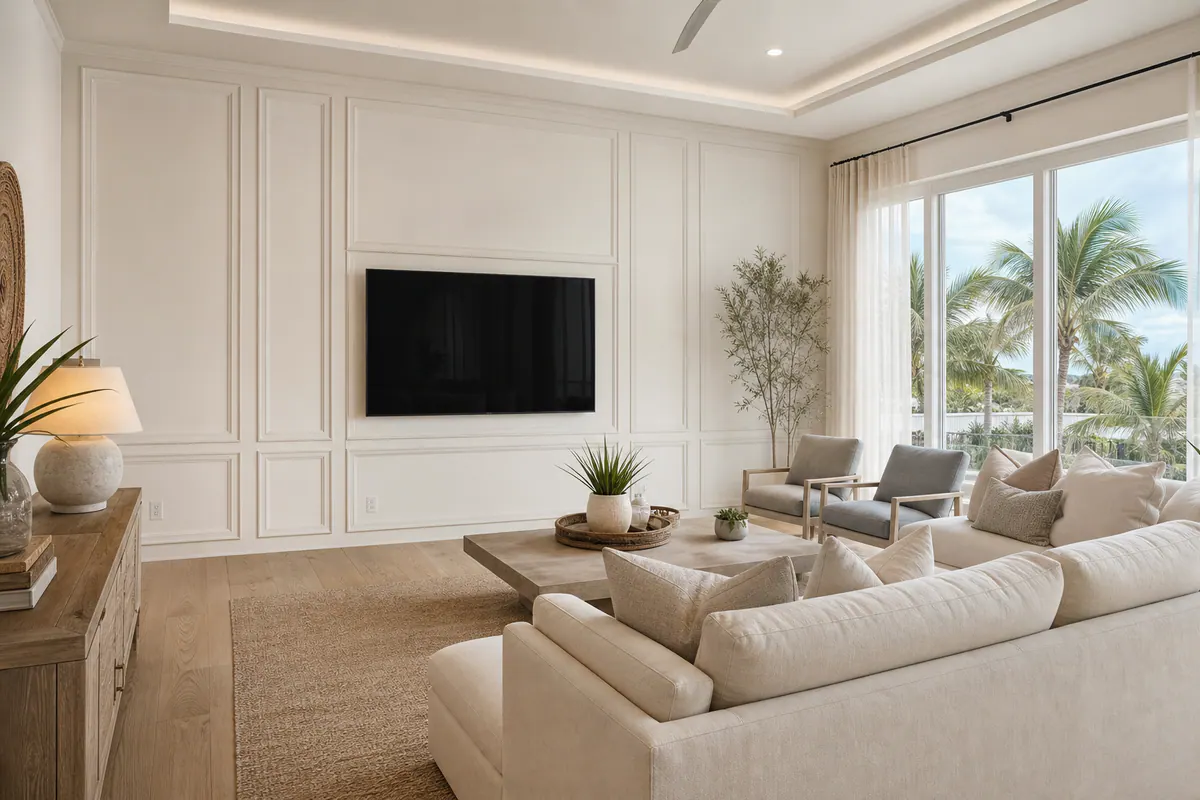
Custom feature walls in Siesta Key give a room a sense of structure without requiring a full renovation. A thoughtfully treated bed wall can ground the furniture; a dining-wall detail can give an open plan a clearer destination; and a fireplace wall can become a composed focal point rather than a blank backdrop. The best results feel integrated with the home's architecture, not added as temporary décor.
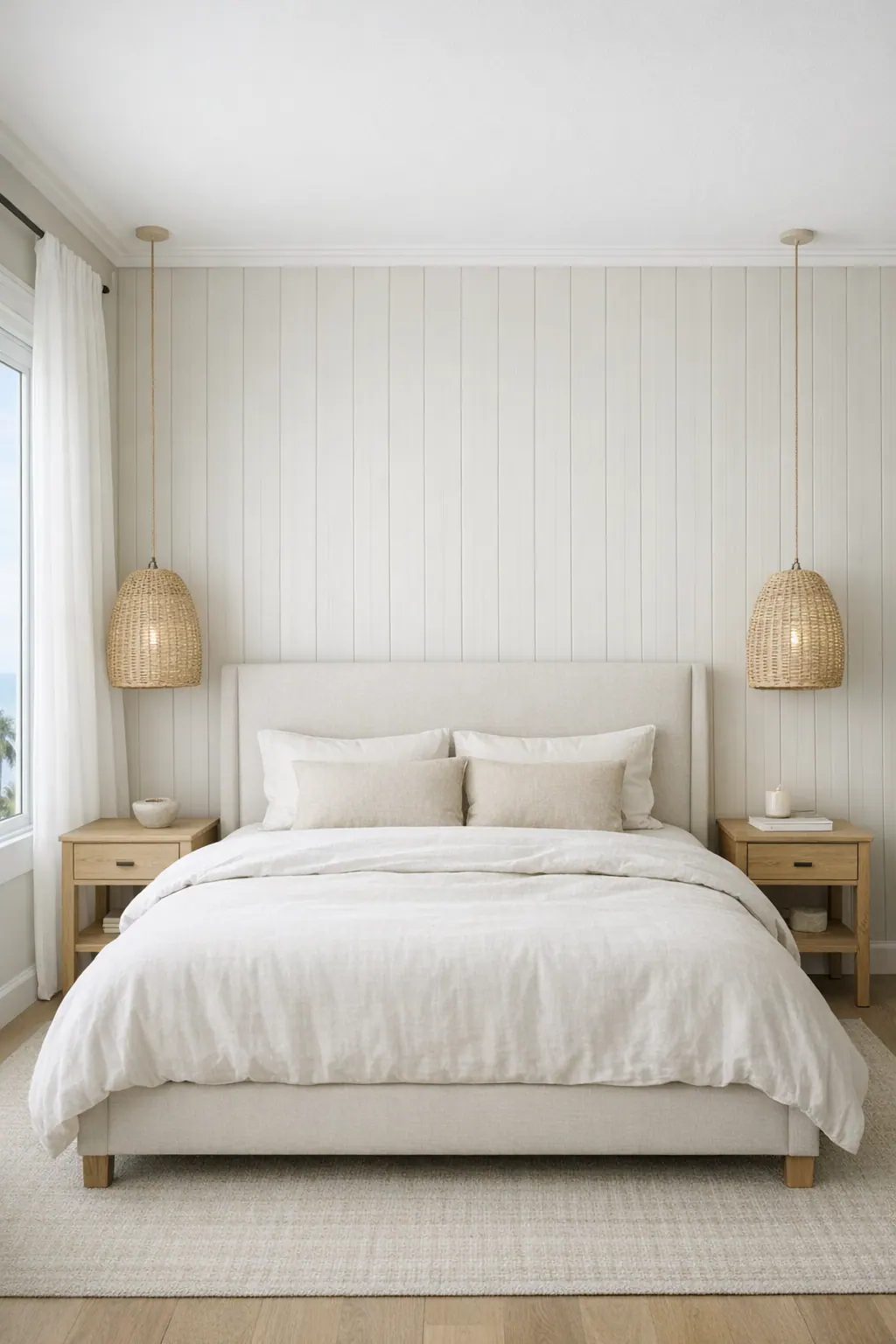
Each treatment creates a different kind of character. Shiplap uses repeated boards to bring gentle linear texture and visual direction. Picture frame molding forms measured panels for a more tailored, classic look. Slat details introduce narrow vertical rhythm and warmth, while decorative trim can frame an opening, mirror, artwork, or built-in with a more custom finish. For refined coastal interior design, restrained profiles, balanced spacing, and a cohesive color usually read more elegantly than an overly busy pattern.
A coastal feature wall in Siesta Key also deserves planning beyond its appearance. Indoor humidity, ventilation, the wall's condition, substrate stability, material selection, sealed cut edges, primer, paint system, and installation details all influence how the finished work performs over time. A sound, properly prepared wall gives the finish carpentry a clean foundation and helps create the crisp reveals and even lines that make the design feel intentional.
Start With the Room, Wall, and Architectural Context
Begin by looking for a wall that already has a job to do: anchor the bed, organize a dining area, receive attention from the entry, or give a fireplace a more deliberate setting. The strongest candidates are usually broad, uninterrupted surfaces or walls that sit behind a clearly defined furniture grouping. A treatment then reinforces the room's natural focal point instead of competing to create one.
Proportion matters as much as location. Ceiling height, daylight, window and door openings, and existing baseboards, crown molding, built-ins, or cabinetry should set the scale of the design. A tall, open wall can carry a more pronounced vertical detail, while a lower-ceilinged room often benefits from a quieter layout with modest profiles and generous breathing room. An already ornate fireplace mantel or heavily trimmed wall may need little more than a coordinated paint finish; adding another elaborate pattern can make the composition feel crowded.
Furniture provides a useful boundary. Behind a centered bed, a feature wall can extend beyond the nightstands so the treatment feels intentional rather than undersized. In a dining room, align the layout with the table or a buffet rather than letting panel divisions land awkwardly behind chairs. For feature walls in Siesta Key homes with open plans, the view from the main entry can be a particularly useful test: the wall should add definition without becoming the only thing the eye sees.
A TV wall needs its planning before trim goes up. Decide where the screen, soundbar, outlets, cable paths, mounting support, and equipment access will sit, then lay out the detail around those elements. A clean surround can make technology feel integrated; trim installed first without a plan can leave off-center panels, exposed cords, or difficult access later. Narrow walls broken up by several openings are usually weak candidates, as are elaborate treatments that fight the room's existing architecture or the project's budget.
Shiplap, Picture Frame Molding, Slat Details, and Decorative Trim: What Changes From One Style to Another
The pattern itself changes how the wall reads from across the room. A shiplap accent wall uses repeated horizontal or vertical boards and the slim shadow lines between them to create directional texture. Horizontal courses visually stretch a wall outward, making them a natural fit for a casual coastal living area or a wide fireplace wall. Vertical shiplap draws the eye upward and can give a taller, cleaner impression behind a bed or along a narrow wall. Keep the board scale and reveal consistent; overly wide boards or pronounced gaps can feel too rustic for a more polished interior.
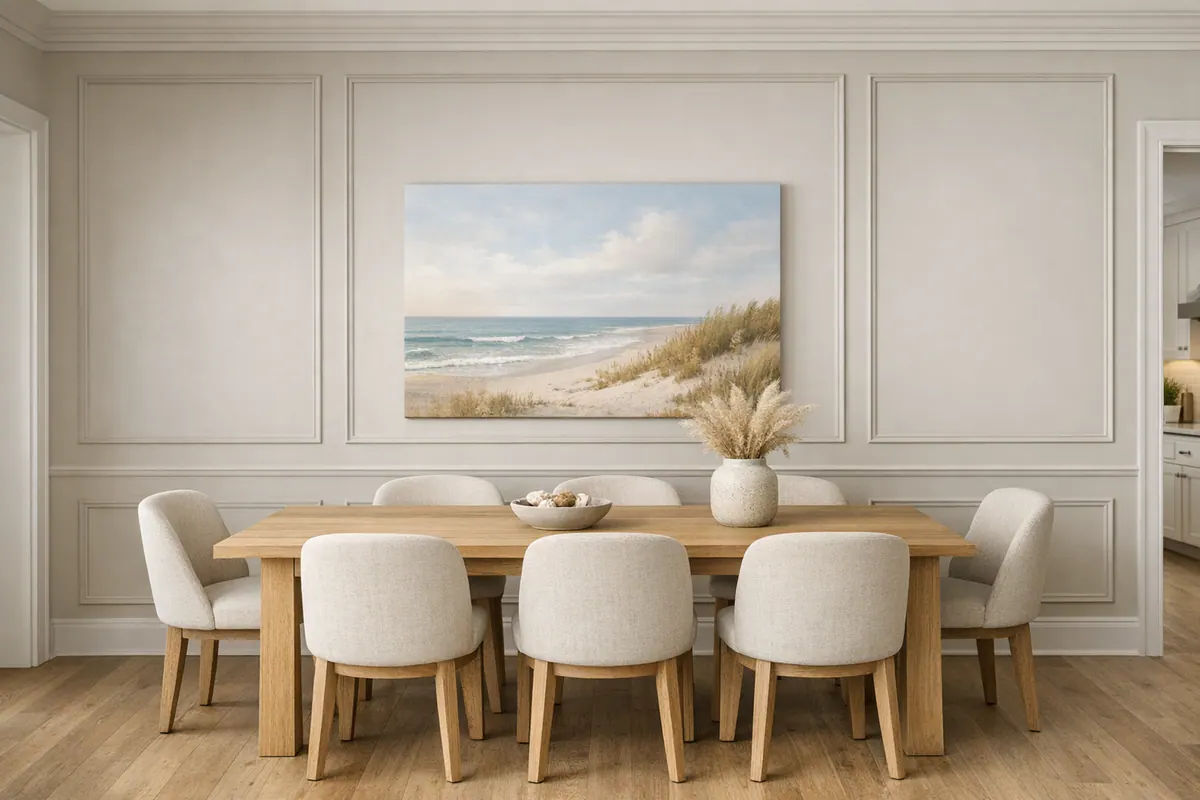
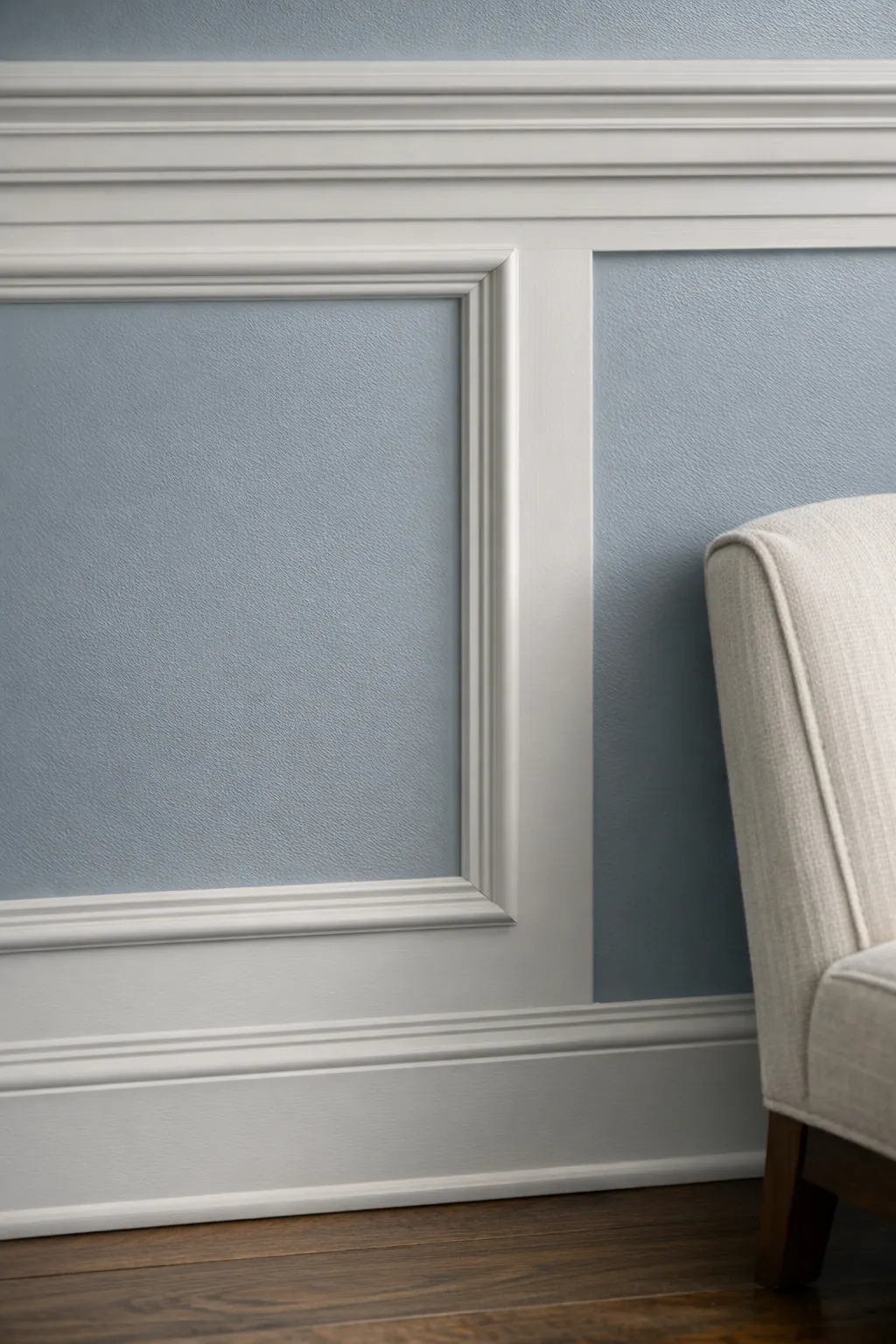
Picture frame molding is more tailored. Applied trim creates rectangular or square frames across the wall, producing a measured grid that can feel especially at home in a dining room, formal sitting area, or entry. It is not the same as board-and-batten. Board-and-batten is a more linear composition, typically using vertical battens tied together by horizontal rails; picture frame molding is organized around enclosed panels. The practical difference is visual: board-and-batten has a simpler, more continuous rhythm, while picture frames make each section of the wall read as a deliberate unit. Restrained profiles and evenly sized panels tend to suit coastal interiors better than a dense grid of small boxes.
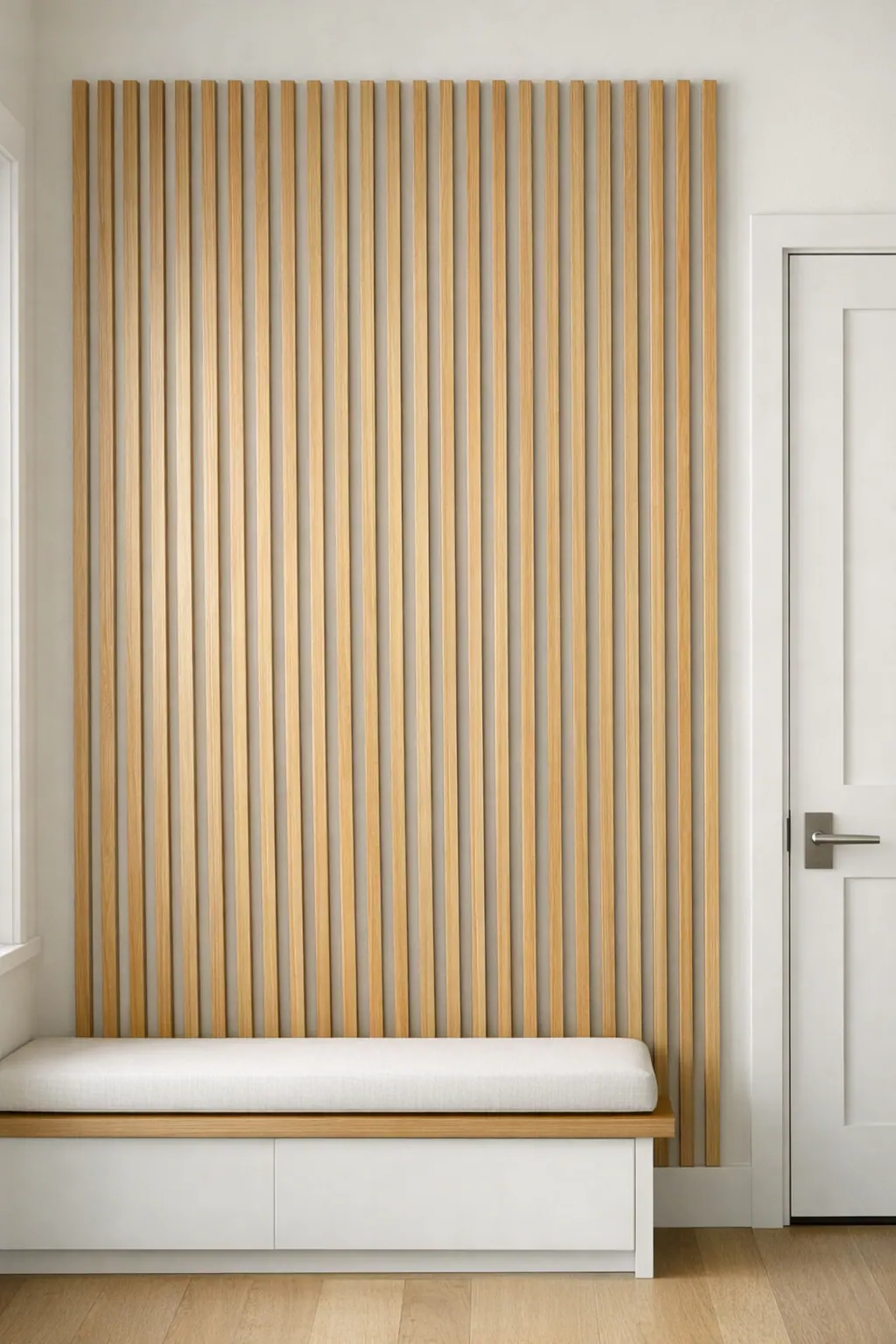
Slat details bring warmth and a more contemporary vertical rhythm. Narrow, evenly spaced slats can give a bed wall or seating nook depth without relying on ornate molding, particularly when their tone relates to surrounding wood furniture or flooring. They need visual quiet around them, though. Dense spacing beside patterned tile, busy drapery, open shelving, or heavily grained cabinetry can make a room feel restless rather than refined.
Decorative trim is the broadest option. It may be as subtle as a slim border that finishes a painted wall, or as composed as layered rails, inset panels, and a shaped surround for a fireplace or built-in. This flexibility makes it useful when a room calls for a truly custom composition, but it also requires restraint. Elaborate profiles can overwhelm modest proportions; a simpler profile, clean alignment, and one cohesive paint color often deliver the more convincing result for custom feature walls in Siesta Key homes.
Material and Wall-Prep Choices for Humid Coastal Interiors
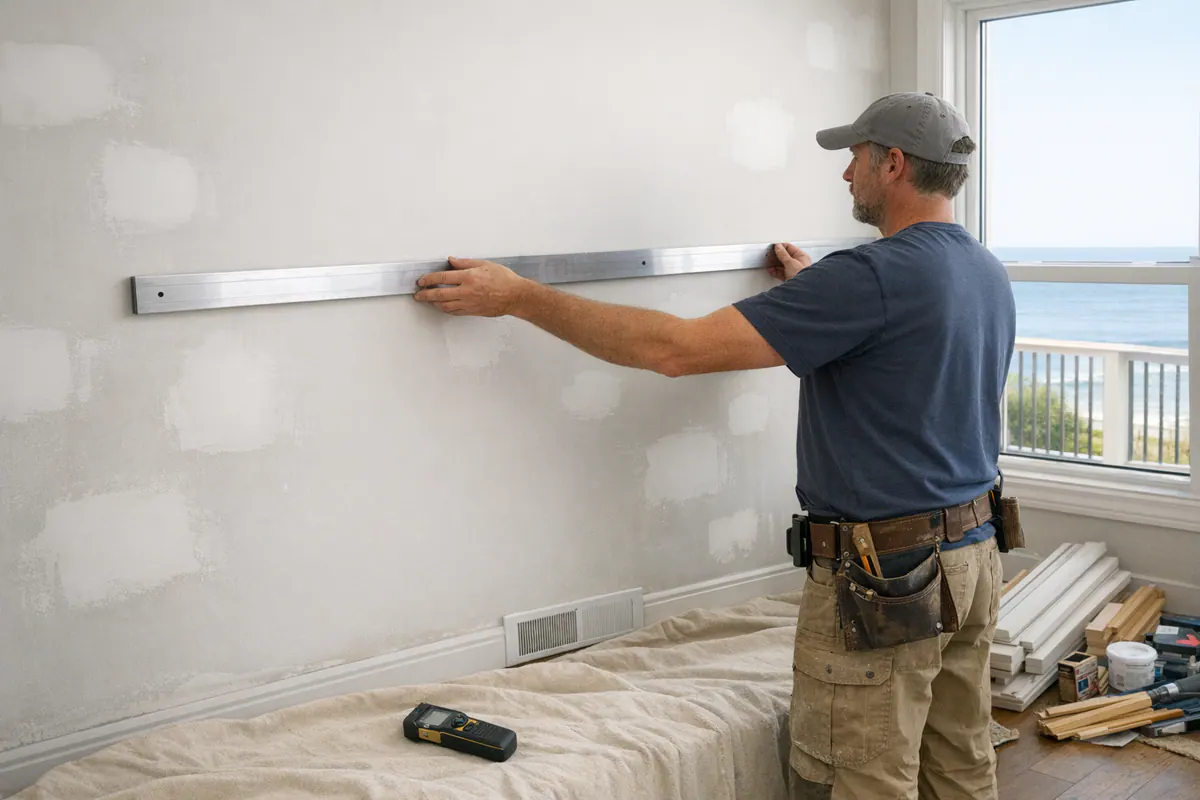
A clean layout can still disappoint if the wall behind it is uneven, damp, or moving through noticeable indoor-condition changes. Before material is selected, look for active staining, soft drywall, recurring window or supply-vent condensation, or peeling earlier coatings. Those are repair issues, not details to hide behind trim. HVAC performance and room ventilation also shape the conditions a feature wall will live with, especially in spaces that stay closed up for long stretches.
For painted trim and panel work, paint-grade solid wood offers crisp edges and can suit detailed profiles, though boards may need thoughtful selection, acclimation, and joint planning. Moisture-resistant MDF is a paint-grade sheet product often chosen for smooth, consistent molding components and stable-looking painted faces in suitable interior spaces. It is not waterproof MDF: cut edges and faces still need a complete finish system, and it is not a substitute for correcting moisture intrusion. Standard MDF can provide the same smooth painted appearance in dry, controlled rooms, but is generally the less forgiving choice where damp conditions or recurring condensation are part of the wall's history.
Engineered or veneered slat products offer a different finish expectation. Their visible wood surface may bring natural variation and warmth, while the core and edge treatment affect how cleanly the system can be cut, joined, and finished. This makes MDF versus solid wood less about declaring a winner and more about matching the product to a painted or wood-look design, the room conditions, and the desired edge detail.
Preparation should include checking wall flatness, locating framing or other reliable fastening points, and planning where joints will fall before installation begins. Compatible materials may benefit from time in the finished interior before they are cut and fitted. Fasteners should secure the work rather than rely on caulk as structure; caulk is a finishing material and may show movement at joints over time. Sealed cut edges, a suitable primer, and a cohesive paint system give humidity-aware materials their best chance of looking composed in a coastal home.
Finish Choices That Keep a Coastal Feature Wall Refined
Color can make the same millwork read either quietly tailored or deliberately graphic. Soft whites, sand, pale greige, and muted blue-gray keep shiplap reveals and panel shadows present without turning them into a hard outline. A tonal treatment, molding painted only a shade deeper or lighter than the surrounding wall, works especially well when the goal is calm depth. Stronger contrast gives picture-frame geometry more authority, but can make a small wall or closely spaced trim feel busier.
Scale deserves the same restraint. Slim profiles, even spacing, and clean outside corners tend to suit a refined coastal room better than heavily layered trim. Natural wood slats can introduce welcome warmth beside white upholstery and pale flooring, yet they work best as a focused accent. Covering every surface with tight, dark fluting can make an otherwise airy room feel visually dense.
Paint sheen changes both maintenance and what the eye notices. Matte minimizes light bounce and can soften minor wall irregularities, but it is less suited to areas that receive frequent fingerprints or scuffs. Eggshell offers a gentle washability-to-softness balance for broad painted walls. Satin is often a practical choice for paint-grade trim because its modest reflectivity gives profiles definition and is easier to wipe down. More reflective finishes sharpen the look of molding, but they also spotlight seams, nail repairs, uneven caulk lines, and texture variation.
For moisture-aware finish choices, use a durable interior paint system over carefully filled, sanded, primed paint-grade trim, including the cut edges that can otherwise telegraph through the finish. Sample the color and paint sheen on the actual wall: daylight, evening lamps, and the wall's texture can change whether a finish feels crisp, forgiving, or overly glossy.
Why Finish-Carpentry Details Matter on a Feature Wall
Precision shows up before the first piece of trim is cut. On picture-frame molding, panels should land with balanced widths at both ends of the wall rather than leaving one narrow, accidental-looking panel beside a doorway. On a slat wall, a centered field with controlled spacing reads intentional; slats that drift or end in a thin strip at one side do not. Doors, windows, and nearby built-ins provide visual reference lines, so the layout should acknowledge them rather than treating the wall as an empty rectangle.
Outlets and switches belong in that layout from the start. A clean approach may center a device within a panel, place it on a deliberate rail line, or adjust the pattern so a cover plate does not interrupt a prominent reveal. Baseboards and crown molding need similar decisions: trim can terminate into them, be notched around them, or be integrated with a coordinated transition. Each choice changes whether the finished wall looks added on or composed with the room.
A television wall benefits from sequencing just as carefully. Screen height, mount location, cable routing, equipment access, wall repairs, and backing and blocking, the hidden support material placed where mounting hardware will attach, should be resolved before visible boards or molding cover the wall. A finish carpenter in Siesta Key brings particular value to this stage through precise measuring, scribing, fitting, and custom trim alignment, helping custom accent walls feel orderly around the details a room already needs.
Plan a Feature Wall Around the Space You Have
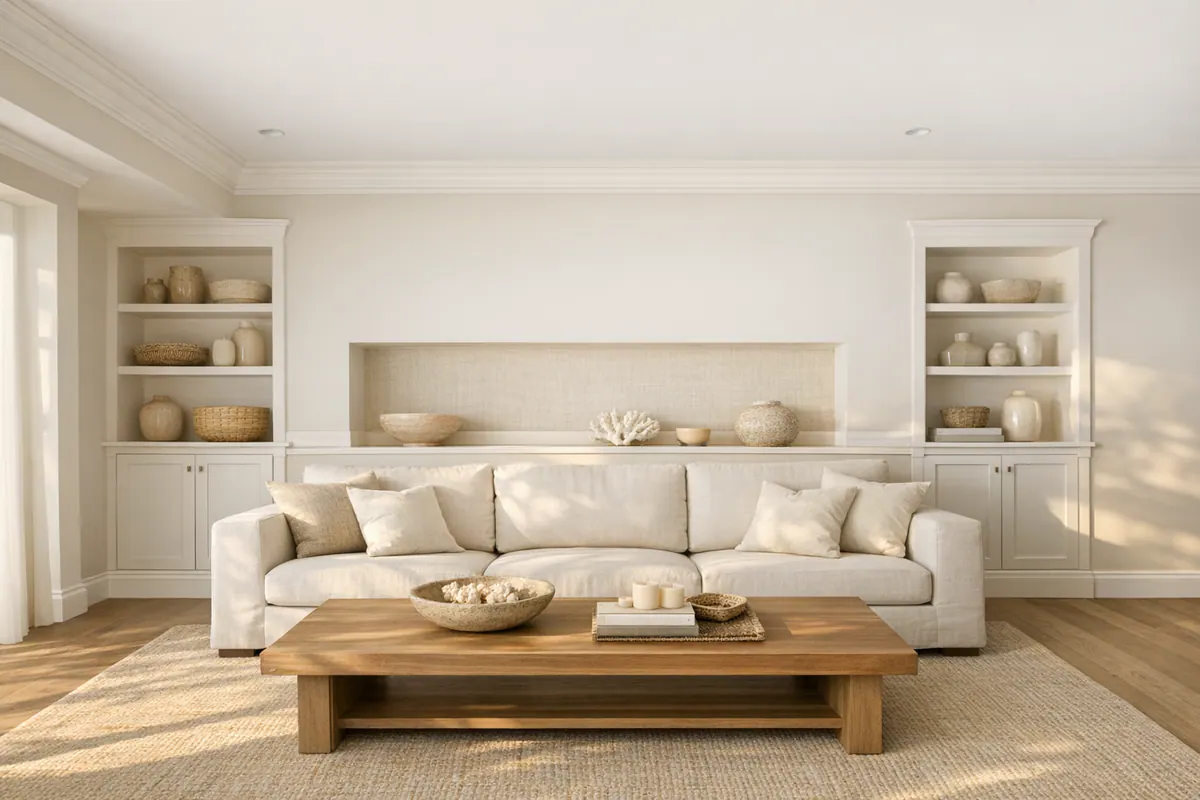
Bring the room into the conversation before choosing a look from a saved image. A wide, low living-room wall may call for a treatment that emphasizes breadth, while a tall bed wall can carry a more vertical composition; existing baseboards, crown, doors, and built-ins should guide the scale rather than be treated as obstacles.
For a productive design conversation, gather room photos, the wall's width and height, ceiling height, close-ups of existing trim, a few reference images, and the location of any television, outlets, switches, or lighting. Include how the room is used, too: a quiet guest room and a busy family media wall have different visual and practical demands.
Address active moisture concerns, soft areas, staining, or unstable wall surfaces before decorative work begins. Then choose the treatment, substrate, sealed edges, primer, and paint finish for the interior conditions it will actually face. Custom feature walls Siesta Key homeowners enjoy most are planned around the home, not selected simply because a style is popular.
Plan the next step
Compare the broader Custom Feature Walls service.
Review the Siesta Key, FL service area for local planning context.
When you are ready, request a free estimate with the rooms, trim goals, city, and available photos.
FAQs
What type of feature wall works best in a Siesta Key home?
The best feature wall reinforces an existing focal point, such as a bed wall, dining wall, fireplace, or entry-facing wall. Broad, uninterrupted surfaces with a defined furniture grouping work best, while narrow walls with multiple openings are usually poor candidates.
What is the difference between picture frame molding and board-and-batten?
Picture frame molding uses applied trim to create enclosed rectangular or square panels in a measured grid. Board-and-batten uses vertical battens connected by horizontal rails, creating a simpler and more continuous linear rhythm.
Is shiplap a good choice for humid coastal interiors?
Shiplap can work well in humid coastal interiors when the wall is dry, stable, properly prepared, and finished with sealed cut edges, primer, and a compatible paint system. Horizontal shiplap visually widens a wall, while vertical shiplap draws the eye upward.
Can a custom feature wall be installed behind a TV?
Yes, but the screen location, soundbar, outlets, cable paths, mounting support, and equipment access should be planned before trim or boards are installed. Hidden backing and blocking should be placed where the TV mount will attach so the finished layout remains centered and functional.
How do I choose between MDF, solid wood, and wood slats for decorative wall trim near the coast?
Choose paint-grade solid wood for crisp detailed profiles, moisture-resistant MDF for smooth painted trim in suitable interior spaces, and engineered or veneered slats for a natural wood-look accent. Moisture-resistant MDF is not waterproof, so active staining, condensation, soft drywall, and moisture intrusion must be repaired before installation.